

How Bitcoin Casinos Are Changing Online Gambling in the UK: A 2026 Guide to Crypto Payments, Security, and Choosing a Trusted Platform

I've watched the UK online gambling scene shift pretty hard over the past couple of years. By 2026, crypto isn't some fringe payment option anymore — it's a real mainstream alternative, full stop. Scroll through any gambling forum or Reddit thread frequented by UK players and Bitcoin comes up almost as often as debit cards do. That's not random. Players want speed, they want privacy, and honestly, they're sick of waiting three to five business days for a withdrawal to clear through their bank.
So in this guide, I'm breaking down how Bitcoin casinos actually work, which security measures matter (and which are just marketing noise), and how to pick a platform you can trust with your money. Whether you're crypto-curious or already sitting on a wallet full of BTC, this should give you a clear-headed picture of where things stand in 2026.
What Is a Bitcoin Casino?
At its core, a Bitcoin casino is just an online gambling platform that accepts crypto — most commonly Bitcoin, though plenty now support Ethereum, Litecoin, and stablecoins like USDT — as a way to deposit and withdraw. Instead of linking your bank card or bouncing through an e-wallet like Skrill, you fund your account straight from a crypto wallet.
Some sites are built exclusively around crypto. No pounds option at all. Others run as hybrid platforms, letting you toggle between GBP and Bitcoin depending on your mood, or your wallet balance that particular day.
Crypto-Only vs. Hybrid Casinos
Crypto-only casinos tend to pull in a specific type of player — someone already deep into the crypto world who wants everything, deposits to bonuses, denominated in digital coins. These sites often move through KYC checks a touch faster, though UK-facing operators still have to comply with anti-money laundering rules. No shortcuts there, regardless of the coin.
Hybrid platforms give UK players more room to breathe. You might deposit in GBP one week and switch to Bitcoin the next, depending on fees or how fast you want funds to clear. I'd argue hybrid sites are the safer entry point for anyone still getting comfortable with crypto payments — you're not locked into one currency world before you even know if you like it.
Why UK Players Are Switching to Crypto Gambling
The reasons aren't complicated once you actually look at them. Faster transactions top the list — Bitcoin deposits often clear within minutes, and withdrawals can land in your wallet the same day, compared to the multi-day slog typical of card payments. Lower fees matter too, especially if you've been stung by currency conversion charges playing on sites priced in dollars or euros.
Then there's privacy. Blockchain transactions don't require handing over your full banking details to every casino you sign up with. And exclusive crypto-only bonuses — enhanced reload offers, higher deposit match percentages — have become a genuine draw for players chasing extra value.
Speed and Cost Benefits Over Traditional Banking
Traditional UK banking rails were never built with online gambling in mind. Card issuers sometimes flag gambling transactions and delay deposits, and withdrawals can take days crawling through the banking system. Bitcoin skips all of that. Once a transaction confirms on the blockchain, it's done — no bank deciding whether to hold your funds for 'review.' That alone has won over plenty of UK players tired of slow payout windows.
How Crypto Payments Work at Online Casinos
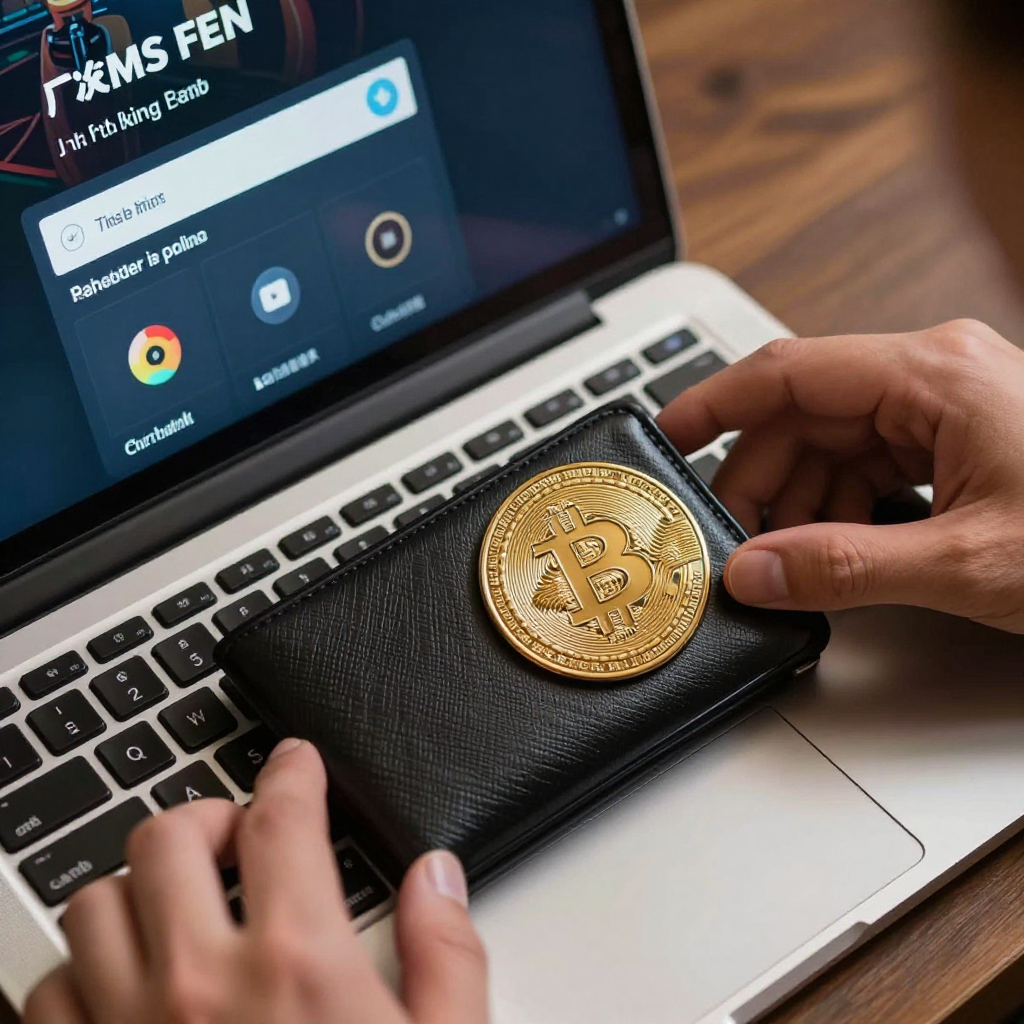
If you've never used crypto for gambling before, the process is more straightforward than it sounds. First, you need a digital wallet — a hardware wallet, or a reputable software one with strong encryption. Next, you buy Bitcoin through a UK-regulated exchange like Coinbase or Kraken, both of which comply with FCA registration requirements.
From there, you transfer the Bitcoin to your casino account by copying the deposit wallet address the site gives you. Deposits usually need one to three blockchain confirmations before funds show up, which takes anywhere from ten minutes to an hour depending on network congestion. Withdrawals run in reverse — you request a payout, the casino sends Bitcoin to your personal wallet, and you wait out the confirmations before it's fully yours. Network fees apply, sure, but they're generally far lower than international card processing fees.
Security and Safety in Bitcoin Gambling
This is where things get genuinely interesting. Reputable Bitcoin casinos now run provably fair technology, letting players independently check that game outcomes haven't been rigged — something that's much harder to pull off with traditional RNG systems. Two-factor authentication is standard practice at this point, and blockchain's public ledger nature means every transaction is traceable, which cuts down fraud in a big way.
That said — crypto doesn't exempt a casino from UK regulation. Any platform taking UK players still needs a valid UK Gambling Commission licence, or at minimum operates under a recognised jurisdiction like Malta or Curaçao, with terms disclosed upfront and clearly. Crypto changes the payment method. It doesn't touch the legal obligations.
Spotting Scams and Unlicensed Operators
I always tell people to watch for a handful of obvious red flags. If a site doesn't show licensing info anywhere on the homepage or footer, that's an immediate problem. Vague or constantly shifting withdrawal terms, no visible customer support contact, bonuses with impossible wagering requirements dressed up as 'generous' — all signs to walk away. Legitimate operators are upfront about who regulates them and how disputes get sorted out.
How to Choose a Trusted bitcoin casino UK Platform
Choosing the right platform really comes down to a handful of core things: licensing status, the range of games on offer, how fast payouts actually process, genuine player reviews, and whether responsible gambling tools — deposit limits, self-exclusion — are actually built in, not just mentioned in a footer somewhere.
Rather than trawling through dozens of sites yourself, it's worth starting your research with a resource that's already done some of the legwork. I'd point curious readers toward bitcoin casino UK, which compiles and compares vetted platforms so you can weigh licensing, game selection, and payout speeds side by side before committing any real funds. Treat it as a starting point for due diligence, not a final decision-maker — always cross-check licensing details yourself too.
Checklist for Evaluating a Platform
- Valid UK Gambling Commission licence or recognised equivalent
- SSL encryption clearly stated on the site
- Reasonable withdrawal limits with no hidden caps
- Responsive customer support, ideally with live chat
- Transparent bonus terms with realistic wagering requirements
Common Mistakes to Avoid When Gambling with Bitcoin
A few mistakes crop up again and again among newer crypto gamblers. Skipping wallet security is a big one — not enabling 2FA, or storing private keys carelessly, can undo everything a secure casino has going for it. Bitcoin's price swings also tempt people into chasing losses, hoping the market recovers their bankroll for them. Rarely works out that way. Overlooking terms and conditions, especially around withdrawal minimums and bonus wagering, causes plenty of frustration too. And buying coins through unregulated, sketchy exchanges just to save a few pence on fees? Not worth the risk to your funds.
Conclusion
Bitcoin casinos have genuinely reshaped what UK online gambling looks like in 2026 — faster payouts, lower fees, and a level of transparency traditional banking rails just can't match. But none of that removes the need for careful research. Licensing still matters. Security habits still matter. And responsible gambling tools should always be part of your routine, regardless of which currency you're playing with. Start slow, verify everything twice, and treat platforms built for comparison and research as your first stop before any deposit goes anywhere near real money.
