

How UK Players Are Turning to Crypto Casinos in 2026: A Practical Guide to Bitcoin Gambling, Regulation, and Choosing a Trusted Platform

Something's shifted in the UK gambling scene these past couple of years, and I've watched it happen pretty much from a front-row seat. More players in Manchester, London, and every town in between are quietly swapping debit cards for digital wallets. Bitcoin — once dismissed as a niche curiosity — is now a genuine payment option at online casinos. And 2026 feels like the year it stopped being fringe and turned into actual pub conversation. Faster payouts, a bit more privacy, plus the wider global crypto surge, all pushing this along at once. There's a catch though: UK regulation hasn't fully caught up with crypto gambling yet, so players end up sitting in a bit of a grey zone, whether they've noticed or not. This guide walks through what that actually means, how these platforms work under the hood, and how you separate the operators worth trusting from the ones you should run a mile from.
What Is a Crypto Casino and How Does It Work?
At its core, a crypto casino is an online gambling platform where you deposit and withdraw using cryptocurrencies — Bitcoin, Ethereum, USDT — instead of pounds via a bank card. Some sites run entirely on blockchain infrastructure. Others just bolt crypto payment processing onto a fairly standard casino setup with slots, live dealer tables, and sports betting markets. The games themselves might look identical to what you'd find on a traditional site. But the plumbing underneath — how money moves, how records get kept — is a different beast entirely.
Blockchain-Based Fairness and Provably Fair Games
One thing that genuinely surprised me when I first dug into this space was 'provably fair' tech. Instead of just trusting a casino's word that a slot or dice game is random, blockchain-based systems let you independently check the outcome of every single round using cryptographic hashes. In practice: the casino generates a result, shows you a hash before the game starts, and afterward you can verify nothing got tampered with. Not flawless — it doesn't cover every game type — but it's a real step up from the black-box RNGs players have had to just... trust for years without any way to check.
Why UK Players Are Turning to Crypto Gambling in 2026
Break it down and the reasons aren't complicated at all. Withdrawals that used to take three to five business days at a conventional online casino can clear in minutes with crypto. Transaction fees run lower too, especially on bigger amounts. Then there's the privacy angle — you're not handing your full banking details to every operator you sign up with, and honestly that matters more to some players than others. Add in the fact that crypto lets UK bettors reach global platforms that might not otherwise touch sterling deposits, plus a younger, tech-comfortable crowd that already holds crypto for investment reasons anyway, and the appeal starts making a lot of sense. Maybe more sense than the industry expected, if I'm honest.
Speed and Privacy Advantages Over Traditional Payment Methods
Line the two up side by side and the gap's obvious. A bank transfer at a UKGC-licensed site might take a day or two. E-wallets like Skrill or PayPal move quicker but stay tied to your identity in ways some players find intrusive. Card payments bring their own withdrawal delays, plus the odd decline from banks flagging gambling transactions — that alone has pushed people toward alternatives. Crypto, by contrast, often settles within the hour — sometimes faster, sometimes slower depending on network congestion — and skips the same level of financial data sharing. That said, 'private' doesn't mean anonymous. Most legitimate platforms still run identity checks. Just not necessarily through your bank.
UK Gambling Regulation and Crypto — What You Need to Know
Here's where things get genuinely important. The UK Gambling Commission licenses and regulates online gambling operators serving British customers, and it takes a firm line on player protection, fair play, and anti-money laundering standards. Crypto casinos, though, frequently run under licenses issued elsewhere — Curaçao and Malta are the two most common. These licenses aren't necessarily worthless. But they don't carry the same enforcement weight or dispute resolution mechanisms that UKGC oversight brings to the table. Worth sitting with that for a second.
To be clear: it isn't illegal for a UK resident to use a crypto casino licensed abroad. What changes is the safety net underneath you. If something goes wrong — a disputed withdrawal, a frozen account, a bonus dispute — you won't have UKGC backing you the way you would with a domestically licensed operator. That's the trade-off players are making, whether they've fully clocked it or not.
How to Choose a Trusted Crypto Casino UK Players Can Rely On
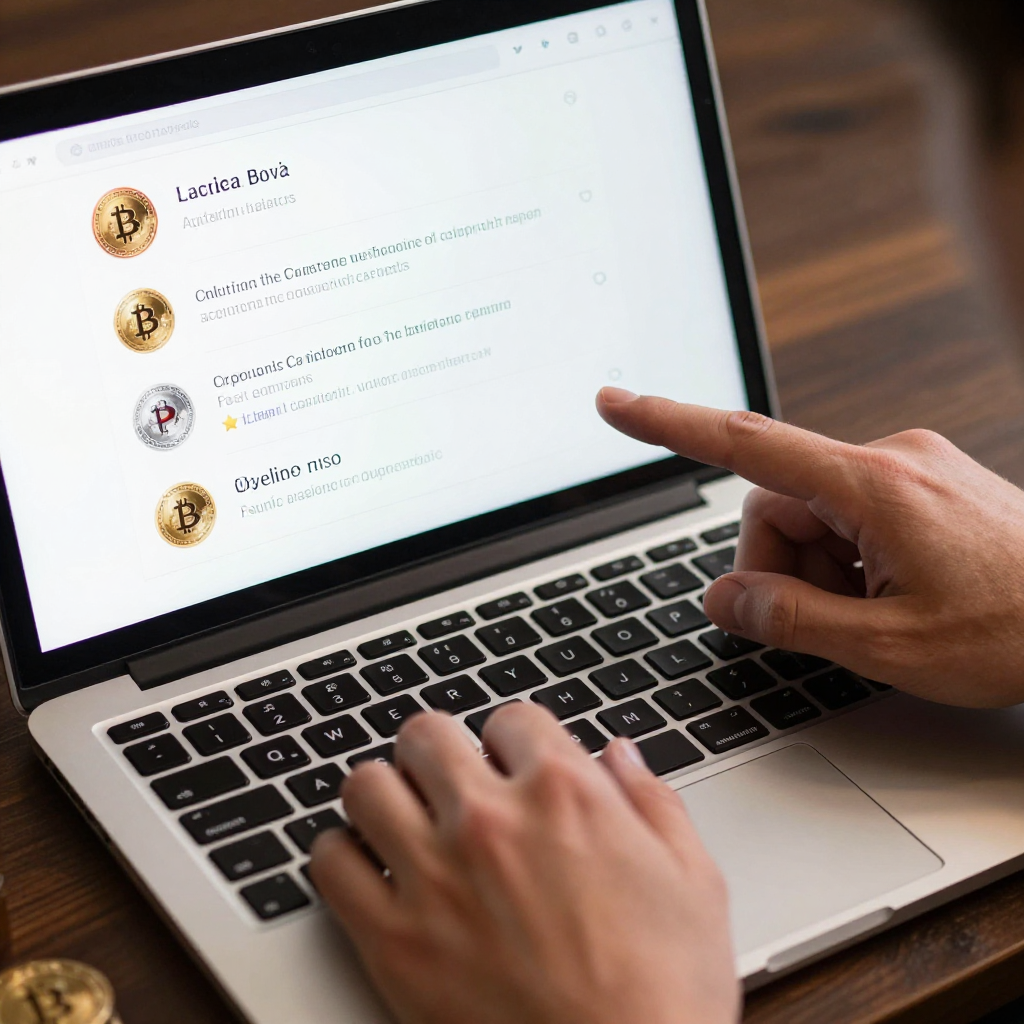
This is honestly the part that matters most. Before depositing a single satoshi, check for a valid gambling license — even an offshore one — displayed clearly on the site. Read the terms and conditions properly, particularly around withdrawal limits and wagering requirements on bonuses. Vague or contradictory language there is a bad sign, full stop. Look for responsible gambling tools like deposit limits and self-exclusion options, secure wallet integration with two-factor authentication, and a track record of independent, verifiable reviews rather than just glowing testimonials sitting pretty on the homepage.
Doing this research from scratch for every platform you're curious about is tedious, and most people just don't have the time for it — I get it, I didn't either at first. That's exactly why I point readers toward a curated, UK-focused crypto casino uk guide that's already done the legwork — comparing licensing, payout speeds, and game selection across vetted platforms. It won't replace your own judgment. But it's a solid starting point that saves hours of scattered searching.
Red Flags to Watch Out For
- No visible licensing information, or a license that can't be verified on the issuing regulator's website
- Zero KYC or AML checks at any point, even for large withdrawals — this often signals a shady operator
- Withdrawal caps buried deep in the terms that only surface once you try to cash out
- Customer support that's unreachable, unresponsive, or only exists via a chatbot with no human escalation
- Bonus offers that sound too generous — 500% match deposits with impossible wagering requirements are a classic trap
Popular Cryptocurrencies and Payment Methods at UK-Friendly Casinos
Bitcoin's still the dominant currency, mostly down to name recognition and liquidity. But Ethereum's carved out solid space too, especially on platforms running smart contract-based games. Litecoin gets picked for its faster, cheaper transactions, and stablecoins like USDT have become a favourite for players who want crypto's speed without the price swings of BTC or ETH. Getting started usually means setting up a wallet — through an exchange like Coinbase, say, or a dedicated wallet app — buying your chosen coin, and sending it to the casino's deposit address. Sounds intimidating the first time round, sure. But it's genuinely a five-minute job once you've done it once. Maybe less.
Responsible Gambling in the Crypto Era
Speed and privacy are appealing, sure, but they can also make it easier to lose track of what you're actually spending. Traditional safeguards like bank-imposed spending alerts just don't exist in the crypto world, so more of that responsibility falls on the platform's own tools — and on your personal discipline. Look for casinos offering deposit limits, session time reminders, and self-exclusion features. And don't hesitate to lean on UK support services like GamCare or BeGambleAware if gambling starts feeling less like entertainment and more like a compulsion. Those organisations are there regardless of what currency you're playing with — that part never changes.
Crypto casinos genuinely offer something UK players have been asking for — faster payouts, more privacy, and access to a wider range of platforms and games. But that innovation comes with real caveats around regulation and player protection, and those shouldn't get brushed aside just because the tech feels exciting. Take the time to check licensing, read the fine print, and use the responsible gambling tools on offer before you deposit a single pound's worth of crypto. A bit of caution now saves a lot of frustration later. It really does.
