

Responsible Gambling in the UK 2026: How to Spot Trustworthy Online Casinos, Avoid Problem Gambling, and Where to Find Support Resources
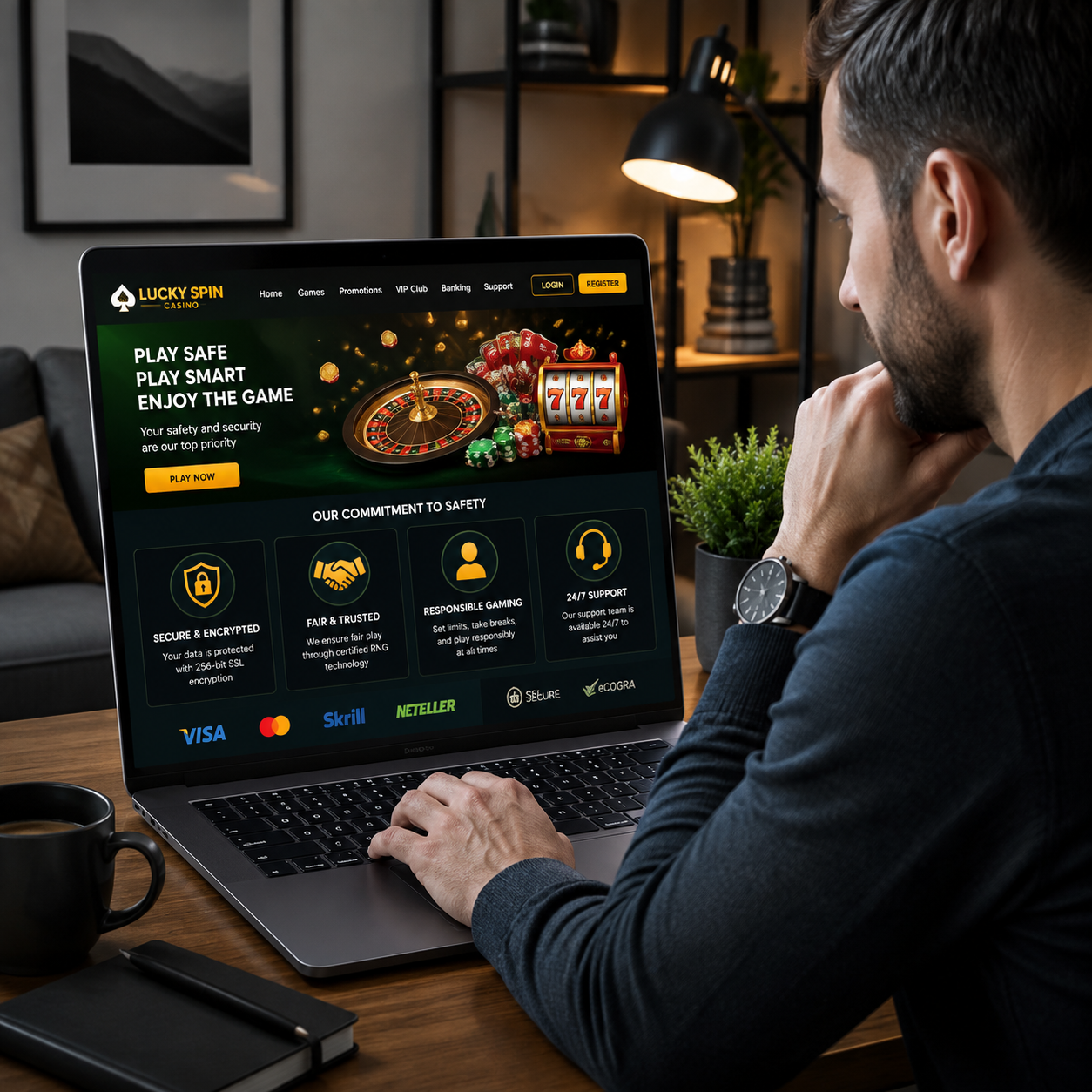
Online gambling stopped being a niche hobby a while back. These days it's just... part of how millions of people in the UK spend their evenings, and 2026 has sped that up even more, honestly. Slicker apps, faster payments, more games than you could get through in a lifetime. More choice, sure. But choice cuts both ways, and that's exactly where responsibility comes in — for the operators building these platforms, and for you, the person actually putting money down. I've spent a fair chunk of time digging into this space, reading terms and conditions I probably shouldn't admit to enjoying (guilty pleasure, I know), and in this piece I want to walk you through how to spot the operators worth trusting, the warning signs of problem gambling that are easy to miss — even in yourself — and exactly where to go if things start slipping.
The UK Online Gambling Landscape in 2026
The UK Gambling Commission (UKGC) is still one of the toughest regulators anywhere, full stop. And this year it's tightened the screws even further: affordability checks, marketing transparency, age verification, all of it under more scrutiny than before. Operators licensed here have to meet real standards for fair play, data protection, and player protection tools. Not just tick a box and move on.
Recent updates have pushed for faster GAMSTOP integration and clearer disclosure of house edge on games — which, I think, is a solid shift for anyone trying to make an informed call before they hit deposit.
Why Trust and Safety Matter More Than Ever
With so many licensed sites fighting for your attention, it's tempting to just sign up wherever the welcome bonus looks biggest. But more choice also means more variation in quality. Some operators cut corners on customer service; others make withdrawals needlessly slow, dragging things out for no real reason at all. Before you commit a single pound, take ten minutes.
Check that the site displays a valid UKGC licence number clearly in the footer, then actually verify that number against the Commission's public register. Takes almost no time. Tells you a lot.
How to Spot a Trustworthy Online Casino
I run through a pretty simple checklist every time I look at a new platform. First: confirm the UKGC licence is active — not expired, not fake. Second: check for SSL encryption, that padlock icon in your browser bar. Small detail, but a telling one. Third: read the terms and conditions, especially anything around withdrawal limits and wagering requirements — if they're vague, or buried in tiny print nobody actually reads, that's a bad sign. Fourth: check independent review sites and forums for what real players say about payout speed, and how responsive support actually is when something goes wrong.
Payment Methods and Crypto Casinos
Payment options have diversified quite a bit lately, and crypto has genuinely gone mainstream for UK players who want faster transactions and a bit more privacy. Tether (USDT) especially has caught on — it's pegged to the dollar, so you skip the wild price swings that come with other coins. If you're exploring that route, do the extra homework first. Crypto platforms sit slightly outside traditional banking rails, and the usual protections don't always apply the same way.
I've found it useful to check curated comparison resources like this top tether casino guide, which lists vetted platforms alongside their licensing details. Treat it as one more layer of due diligence stacked on top of the standard checks — not a shortcut that replaces them.
Red Flags That Signal an Unsafe Casino
Some warning signs are easy to spot once you know what you're looking for:
- No clear information about company ownership or registered address
- Missing or hidden self-exclusion and deposit-limit tools
- Bonus terms with unrealistic wagering requirements (50x or more)
- Customer support that's slow, unhelpful, or only reachable by email
- Complaints online about delayed or refused withdrawals
Understanding Problem Gambling
Problem gambling isn't really about how much money someone loses. It's about losing control over the behaviour itself — that's the core of it, and it's easy to lose sight of that fact. According to recent UK figures, roughly 0.4% of adults are classified as problem gamblers, while a further 3-4% show signs of at-risk behaviour. So it's more common than people assume. Still a minority, though.
The line between casual, recreational play and something more serious usually comes down to a simple question: can the person stop when they intend to? And is gambling starting to interfere with work, relationships, or money in ways that bleed into everyday life?
Common Warning Signs to Watch For
It's not always obvious — not even to the person going through it. Some signs to watch for, in yourself or someone close to you:
- Chasing losses by betting more to 'win back' money already lost
- Hiding spending or lying about how much time is spent gambling
- Borrowing money or selling possessions to fund gambling
- Neglecting work, family, or health because of gambling
- Noticeable mood swings tied directly to wins or losses
Tools and Features That Promote Responsible Gambling
Every UKGC-licensed casino has to offer a set of safety tools. And honestly, I think players should treat these as essential, not optional extras you ignore until there's already a problem. Deposit limits let you cap how much you can add weekly or monthly. Self-exclusion through GAMSTOP blocks you from all UK-licensed gambling sites for a set period — no exceptions, no loopholes.
Reality checks pop up mid-session to remind you how long you've actually been playing (usually longer than you think — it always is). Cooling-off periods let you pause your account temporarily without fully closing it down. These tools exist because they work. Use them before things go wrong, not after.
Where to Find Support and Help in the UK
If gambling starts to feel like it's controlling you rather than the other way round, there's genuinely good, free support out there. GamCare runs a helpline and live chat service that's confidential and non-judgemental — no lectures, just help. The National Gambling Helpline (0808 8020 133) operates 24/7 and can point you toward local services near you.
GambleAware funds treatment and offers self-assessment tools on its site. Plenty of NHS trusts now run dedicated gambling clinics too, with structured therapy for people whose gambling has become a serious problem. And here's the thing: seeking help early tends to lead to much better outcomes than waiting until things feel completely unmanageable.
How to Talk to Someone About a Gambling Problem
Starting the conversation is often the hardest part, by far. If you're worried about a friend or family member, try approaching them privately, without judgement, leading with concern rather than accusation — something like 'I've noticed you seem stressed lately, and I wondered if everything's okay.'
If you're the one struggling, even just saying 'I think I need to talk to someone about my gambling' — to a trusted person, or a helpline advisor — is a strong first step. You don't need all the answers before reaching out. Nobody does.
Building Healthier Gambling Habits
Whether you gamble occasionally or more regularly, a few simple habits go a long way toward keeping things enjoyable rather than risky. Set a budget before you start playing and stick to it — treat losses as the cost of entertainment, not an investment you're owed back. Avoid gambling as a way to earn income or escape stress; it rarely works out that way, if it ever does.
Take regular breaks during sessions. And maybe keep a simple log of time and money spent, just so you've got an honest picture instead of a vague impression that's easy to talk yourself out of later.
Conclusion
Online gambling in the UK in 2026 offers plenty of legitimate entertainment, but it comes with real responsibility attached — that part doesn't change, and probably never will. Trustworthy casinos genuinely do exist: licensed, transparent, equipped with proper safety tools. Finding them just takes a bit of active vigilance on your part. Nothing more complicated than that, really.
Pair that vigilance with honest self-awareness about your own habits, and you're in a much stronger position to enjoy gambling the way it's meant to be enjoyed — as entertainment, not obligation. And if you ever feel like things are slipping beyond your control, remember: free, confidential support is just a phone call or click away. Play smart, play safe, and don't hesitate to reach out if you need to.
